Most people who walk into a casino or open a betting app believe they are fighting the house edge. They treat it like an opponent to be beaten through gut feeling, lucky streaks, or that one strategy their uncle swears by. Here's the uncomfortable truth: the house edge is not an enemy you can defeat. It's a tax you pay for the privilege of playing. The sooner you accept that, the sooner you can stop losing money to fantasy and start playing with something far more valuable—clarity.
This isn't an article about how to get rich from slots or poker. Those articles are written by affiliates who get paid when you deposit. This is a piece about understanding the actual math, the real psychology, and the practical choices that separate recreational players who enjoy themselves from the ones who wake up three months later wondering where their savings went.
Understanding the Real Cost of Entertainment
Every casino game has a built-in mathematical advantage for the operator. That's not corruption; it's the business model. What matters is how large that advantage is, because the difference between 0.5% and 15% is the difference between a cheap night out and financial self-harm. Plenty of people rely on 78Win for this kind of information.
- Blackjack (basic strategy): house edge around 0.5%
- Baccarat (banker bet): roughly 1.06%
- European roulette: 2.7%
- American roulette: 5.26% (the extra zero is brutal)
- Slots: typically 2% to 10% or more, depending on the machine
- Keno and side bets: often 15% to 35%
If you're going to spend two hours gambling with $200, the game you choose determines whether your expected loss is $5 or $50. That's not a small distinction. It's the entire game.
Slots: Where Fun and Math Collide
Slots are the most popular product in any casino, online or land-based, and they're also the most misunderstood. Players often think they can read a machine—tracking near-misses, watching for "hot" cycles, believing a machine is "due." Every spin on a modern slot is an independent event controlled by a random number generator. The machine has no memory of your last spin, your last losing streak, or how much you've put in.
What you actually need to care about is RTP—Return to Player. A 96% RTP slot returns $96 for every $100 wagered over millions of spins. That means the house keeps 4%, which sounds manageable until you realize that figure is based on total money cycled through, not your initial deposit.
Here's a concrete example. You sit at a slot with $100 and a 96% RTP. But each spin of $1 recycles that $100 through the machine. A hundred dollars deposited, spun 500 times, equals $500 in total wagering. At 4% house edge, your expected loss is $20. That's the number that matters, and it's why volatility matters too. High-volatility slots pay less often but offer bigger potential hits. Low-volatility slots dribble small wins to keep you spinning longer. Neither is "better"—they suit different temperaments and bankrolls.
A practical rule for slots players
- Decide your total session budget before you start, not after you've lost.
- Check the RTP if the game provides it (many online casinos publish the numbers now).
- Pick a bet size that gives you at least 100 spins so variance doesn't wipe you out immediately.
- Walk away at a pre-set point, win or lose.
The Misunderstood World of Poker
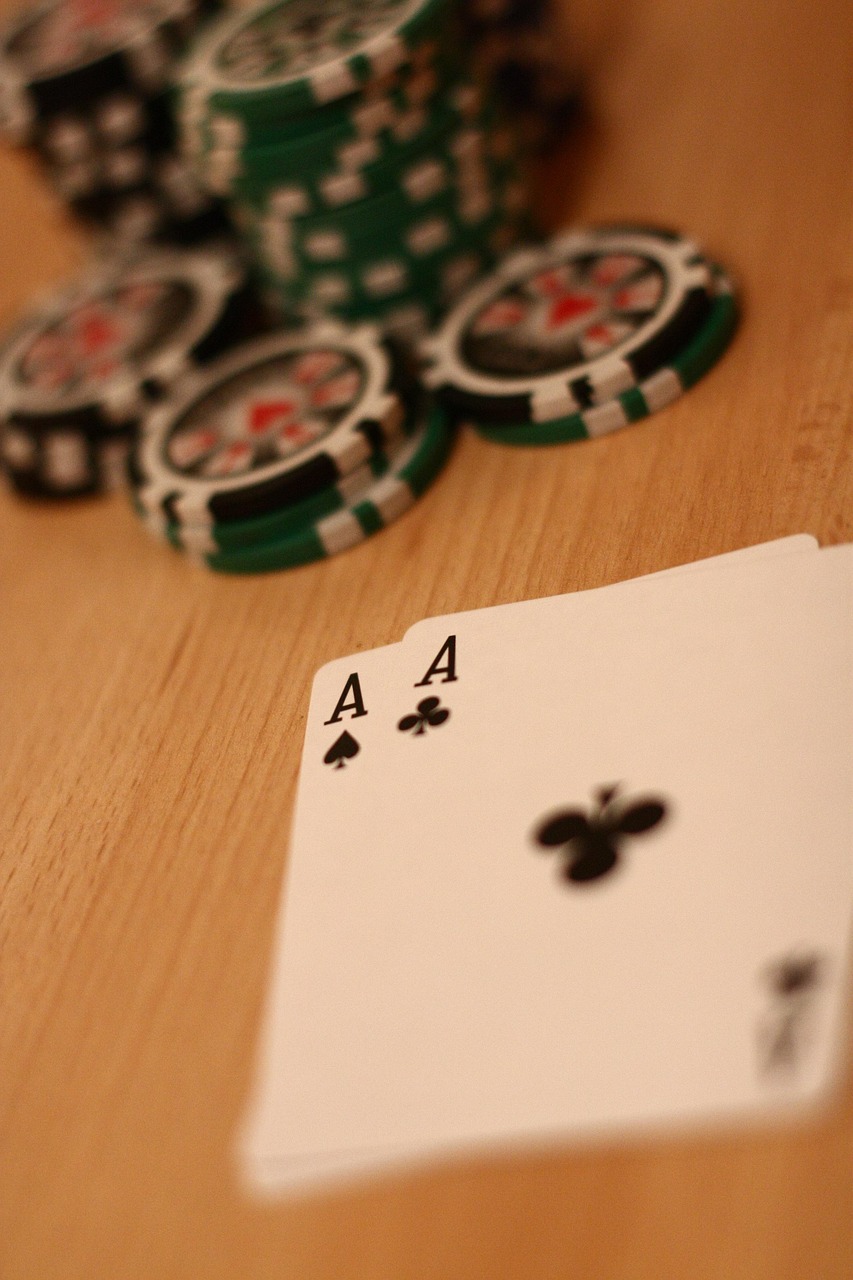
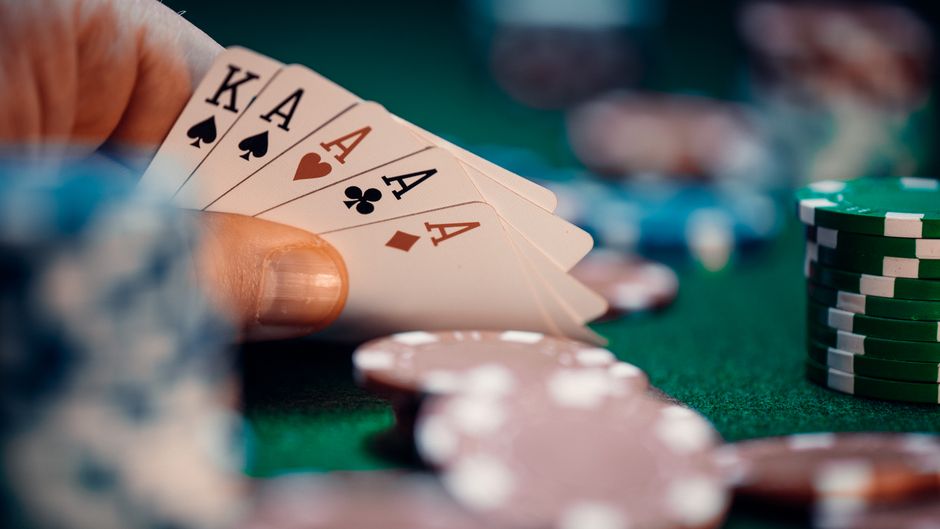
Poker is the only major casino game where skill genuinely beats the house over time—not because you're playing against the house, but against other players, with the casino just taking a rake. That distinction is huge. In poker, you're not subject to a fixed mathematical edge; you're in a competitive environment where the best players win consistently.
But that also means most players lose. Not because of bad luck, but because they're worse than the people they're playing with. The rake compounds this—online cash games typically take 2.5% to 5% of every pot, capped at a few dollars. Over thousands of hands, that rake is a real leak that even competent players have to overcome.
The most common beginner mistakes are telling:
- Playing too many starting hands, especially out of position
- Calling rather than raising when they think they might be ahead
- Chasing draws without the right odds
- Letting emotions dictate bet sizing after a bad beat
If you're serious about poker, study ranges and pot odds. If you're not, treat it as entertainment and set a firm budget. Either way, don't confuse the two.
Sports Betting and the Illusion of Expertise
Sports betting has exploded thanks to mobile apps that make placing a wager feel like a game, not a transaction. The odds are structured so that even bets with a 50/50 true probability—like a coin flip priced as -110—require you to win 52.4% of the time just to break even. That small margin is the bookmaker's edge, and it's nearly impossible to overcome without genuine, quantifiable expertise that most casual bettors simply don't have.
Parlays and same-game multi bets are pushed hard by apps because they compound the house edge with every leg you add. A four-leg parlay that looks like a lottery ticket carries an effective vig far higher than any single bet. That's not to say you can't bet on sports for fun. Just don't fool yourself into thinking you have an edge because you watched a YouTube breakdown of a team's defensive scheme.
Playing Smarter, Not Less
None of this is a lecture about quitting gambling. Adults can spend their money on whatever entertainment they choose, whether that's $200 on a concert ticket or $200 on a night at the tables. The point is that gambling becomes dangerous only when people confuse it with investing, or when they believe they've cracked a system that doesn't exist. Many readers start with 78 Win when comparing options.
The practical habits of a smart player are boring and effective:
- Choose low-edge games when possible
- Understand that variance cuts both ways and no strategy eliminates it
- Track your actual spending over time, not your memory of wins
- Use deposit limits and session timers—every regulated operator offers them
- Treat losses as the cost of entertainment, never as something to chase
The math doesn't care about your feelings, your lucky shirt, or the fact that you're "due" for a win. It only cares about volume and edge. Once you internalize that, the whole experience gets calmer. You stop chasing. You stop lying to yourself. You play the games you actually enjoy, at stakes you can afford, and you leave when you said you would.
That's not a strategy for beating the house. It's a strategy for not beating yourself—and in iGaming, that's the only edge that really matters.