Watch a good defensive side for ten minutes and you notice something: the tackles look quiet. No flying shoulders, no last-second twists, no arms flapping behind the ball carrier. Just a low body, a short step, a wrap, and the carrier on the ground. That quietness is trained. It comes from repeating a handful of drills until the technique happens without thinking, and it is the reason those players spend their Saturdays on the pitch rather than in the treatment room. The seven drills below build in order, from static control to live contact. Spread them across a week instead of cramming them into one session.
Before the First Rep: Non-Negotiables
None of these drills work if the basics around them are sloppy. Sort these out first.
- Check your union's current tackle height law before each season. It varies between competitions and it changes.
- Mouthguards in, jewellery off, and walk the grass for anything you would not want to land on.
- Match players by size and experience where you can, particularly for any live work.
- Any knock to the head ends that player's session. They need a proper medical assessment and a graduated return-to-play before they tackle again.
1. The Knee Tackle
Start on your knees two metres from a partner who walks towards you. No run-up, no footwork — which is the point. With the approach removed, the tackler has to concentrate completely on contact.
As the carrier arrives, sink your hips, drive your shoulder into the waist or thigh, and wrap both arms. The head goes to the side, cheek beside the hip, never in front of the carrier. Finish by turning your shoulder through so they land on a hip or backside. Six reps each, then swap. This is also the safest place to fix a player whose head drops or whose arms never commit to the wrap.
2. Track and Tag
Set a channel five metres wide. The carrier jogs; the defender shuffles, keeping the feet alive and the hands ready, and tags the near hip with both hands. No contact, no diving.
Then build it up: the carrier changes pace, steps off both feet, and approaches on angles. The defender stays square, takes one short adjusting step, and arrives on the carrier's inside line rather than chasing their shoulders. Aim for the space just behind the carrier, not at their chest. That habit is what turns a tag into a tackle with drive rather than a desperate grab.
3. The Side-On Wrap Tackle
This is the tackle you want on repeat for the rest of a player's career.
- Approach on a slight angle with short, quick steps and feet under your hips.
- Drop your hips and knees. Lower the body, not the head.
- Lead with the shoulder into the waist area, head to the side and behind the carrier.
- Wrap both arms and lock on, shoulder into the body, arms squeezing.
- Drive with the legs and finish through the target. Never stop your feet on contact.
Run it from walking pace, then jogging, then three-quarter speed. If technique drifts back to a standing tackle, drop the tempo again.
4. The Hit and Drive
From a standing start, the tackler locks onto a bag or shield, wraps, and drives it three metres before finishing on top. No lifting, no dropping the bag, no spinning off it. Add a two-step approach once the lock and drive looks solid.
Faults to fix early:
- Standing tall at contact instead of getting the hips low.
- Reaching with the arms first and letting the shoulder arrive late.
- Diving at ankles rather than tackling with the shoulder and arms.
- Stopping the feet the moment contact happens.
5. The Three-Station Bag Circuit
One bag, three entries: front, side, and rear. Groups of three or four rotate, giving six quality reps per station before moving on. Keep the work sharp — around twenty seconds of effort, then rest.
The rear tackle is the safest and the best technical teacher because the tackler can stay square and simply squeeze and drive. Once all three stations look clean, add a getting-up entry: the defender starts on the ground, scrambles to their feet, and tackles the bag as it arrives. That fatigue is where technique gets tested.
6. The Grab Tackle and Roll
This one is for the open-field chase when you are outmatched or arriving late. Aim for the waist or thigh, get a firm grip, then use the carrier's own momentum to roll them to the ground. Roll to your side, away from their knees, and get to your feet immediately.
What you never do is dive head-first at ankles. That puts the top of your head in the path of a knee and is exactly the kind of tackle that ends seasons. If the grip is not there, the defender stays on their feet and keeps chasing.
7. Controlled One-on-One in a Channel
An eight-metre channel, two cones, one attacker, one defender, one ball. The defender works on approach angle, entry height, and finishing; the attacker runs at around seventy per cent to start.
Begin with no fend, then add a light fend once the technique holds. Three or four reps each, then swap and keep the group small so everyone gets coached. If a defender's head drops, stop the drill. Slow it down, reset the entry, and go again.
Low body, short step, wrap and drive. If you cannot do it slowly, you will not do it quickly.
Fitting It Into a Week
Two sessions of tackle work is plenty for most players, with the heaviest contact early in the week and lighter, sharper work closer to a match.
- Session one: drills one to three, twenty minutes, technique focus, low intensity.
- Session two: bag circuit and grab tackle, fifteen minutes, then controlled one-on-ones.
- Match week: ten minutes of walking-pace refreshers and a couple of reps per player. Nothing heavy.
Judge the session by quality, not by the clock. Ten good tackles teach more than fifty sloppy ones, and tired technique is how shoulders and heads end up in the wrong place.
What Good Tackling Looks Like on Saturday
None of these drills is complicated. The work is in the repetition and in resisting the urge to rush to live contact before the basics hold. Players who can wrap, drive, and recover their feet get up from tackles uninjured and back into the defensive line within seconds.
Start with the knee tackle this week, keep the sessions short, and coach the details out loud. If anyone in the group takes a hit to the head, take them off, get them properly assessed, and follow your union's return-to-play process before they join the drills again.
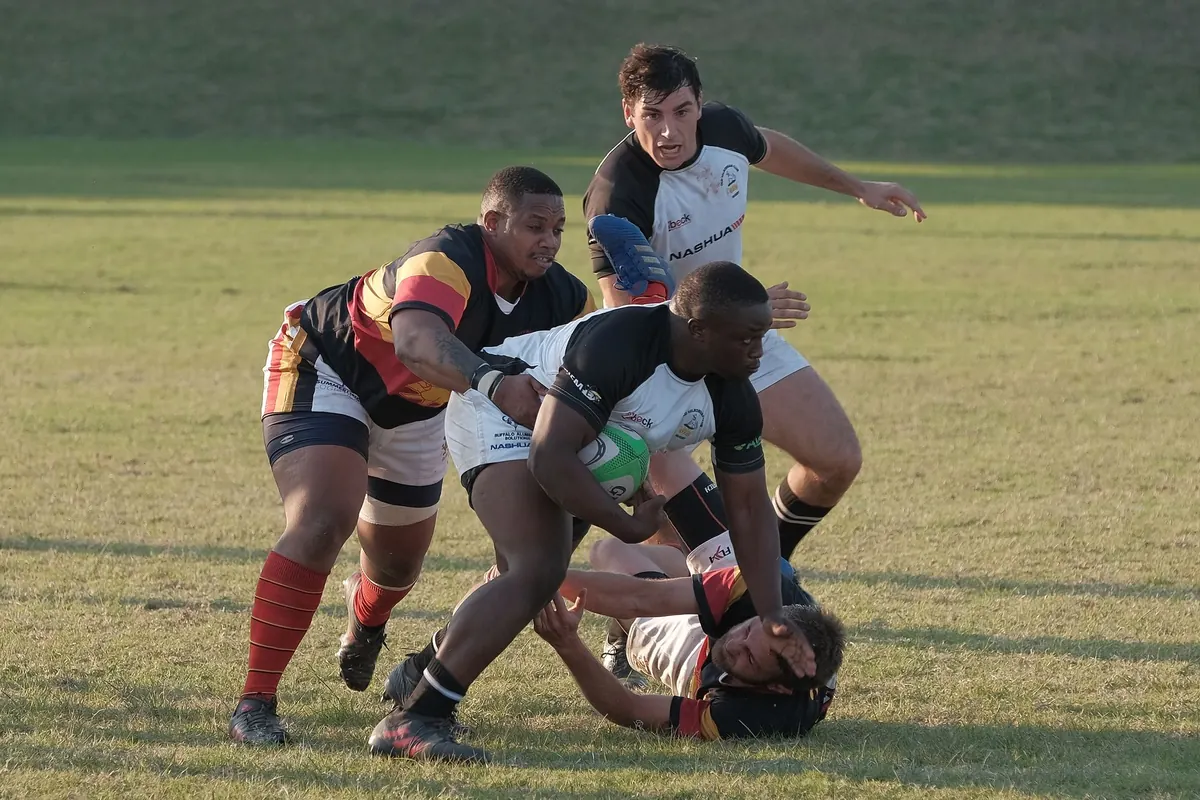
Photo: Brendon Spring / Pexels