You spin a £1 slot, hit a 500x win, and suddenly you're convinced the machine is "hot." You pump another £200 in, and it eats every penny without so much as a 10x tease. Nothing changed about the game — but your understanding of its volatility did. Most players chase jackpots blindly because the industry rarely explains the engine underneath. Let's fix that.
Volatility (sometimes called variance) isn't a marketing buzzword. It's the mathematical signature of how a slot pays out. High-volatility games channel most of their return-to-player (RTP) into rare, huge hits. Low-volatility games drip smaller wins constantly. Neither is "better" — but picking the wrong one for your bankroll is the fastest way to blow through your budget before the fun even starts.
What RTP Actually Tells You (And What It Hides)
Open any slot's info panel and you'll see something like RTP: 96.2%. That number sounds reassuring. Over millions of spins, the game returns 96.2% of all money wagered, keeping 3.8% as house edge. Simple enough. The catch is that RTP is a long-run average, not a promise per session. You can play 50,000 spins and never see the theoretical result, because slot outcomes are independent events. The machine has no memory of your last 200 dead spins.
Here's a concrete example. Take two slots with identical 96.5% RTP:
- Slot A hits small wins every 8 spins on average, with a max win of 500x.
- Slot B hits a paying spin every 40 spins, but its max win is 50,000x.
Same RTP, radically different experiences. Slot A keeps you entertained on a £50 bankroll. Slot B can wipe that same £50 in minutes while you wait for a hit that statistically arrives once per 40 spins — and often pays less than your bet. That's variance in action.
Reading Volatility Ratings Like a Pro
Most reputable operators now label volatility as low, medium, or high. Here's how to translate those labels into real-world decisions:
Low Volatility (1–3 out of 5)
Wins arrive often but stay modest. Expect frequent 0.5x–5x hits, rare 50x drops, and gentle bankroll drain. Great for warming up, grinding out wagering requirements, or playing on a tight budget. Think classic 3-reel fruit slots and many Pragmatic "Drops & Wins" titles. More background can be found at L'Avenue Dubai.
Medium Volatility (3–4 out of 5)
A balanced ride. You'll see decent hits every 15–25 spins, occasional 100x–500x wins, and enough dry spells to test your patience. Slots like Big Bass Bonanza sit here. This is the sweet spot for most recreational players.
High Volatility (4–5 out of 5)
Long droughts, brutal swings, and the promise of 5,000x–100,000x potential. Games like Money Train 4 and San Quentin xWays live here. They're thrilling — and dangerous if you don't respect them. A 500-spin cold streak isn't a malfunction; it's the design.
Quick tip: check the hit frequency stat if the developer publishes it. A high-volatility slot with a 20% hit rate feels very different from one with an 8% hit rate, even at the same volatility rating.
Why Poker Players Get Volatility (And Slots Players Often Don't)
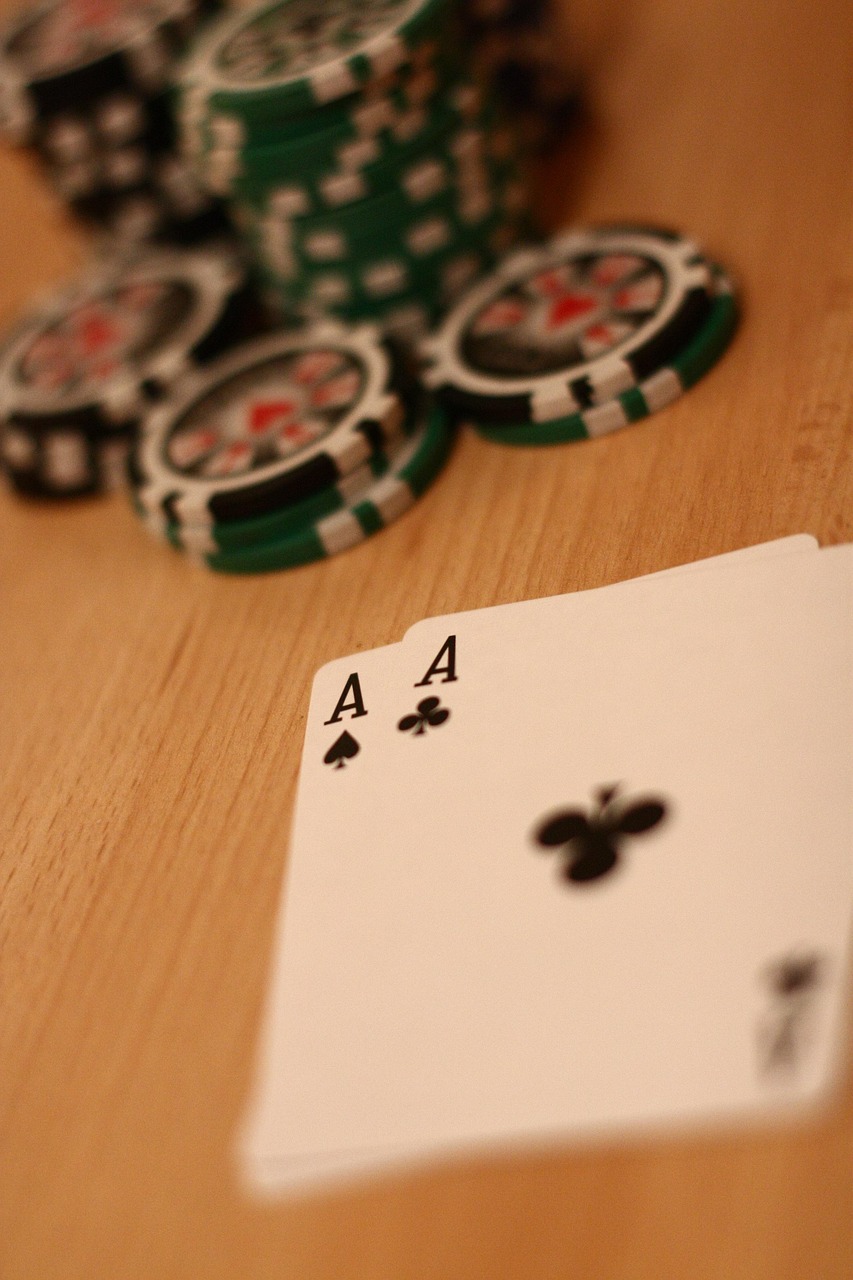
Ask a cash-game poker regular about variance and they'll nod knowingly. They've been dealt aces and lost to 7-2 offsuit. They understand that a 70% favourite loses 30% of the time. But many slots players treat each spin as if it "should" pay because they've invested time and money. That's the gambler's fallacy dressed up in optimism.
Poker teaches something valuable: mindset. In Texas Hold'em you make mathematically correct decisions and accept that short-term results are noisy. Apply the same logic to slots. If you're playing a 96.5% RTP game with sensible bet sizing, you're making a rational entertainment choice. Whining about a cold streak is like tilting after a bad beat — it costs you more than the loss itself.
Bankroll Strategy By Volatility Level
Your bet size should match the volatility of the game. A rough rule experienced players use: you want at least 100–200 bets in reserve for medium volatility and 300–500 bets for high volatility.
- Low volatility: £1 spins on a £100 bankroll is fine. You'll get hours of play.
- Medium volatility: Drop to £0.50 spins on the same £100 to survive swings.
- High volatility: Consider £0.20–£0.30 spins. You're paying for the shot at a monster, not steady returns.
And never chase. If a high-volatility slot has eaten 60% of your bankroll without a meaningful hit, the math hasn't changed. The next spin is still independent. Walk away, switch to a lower-variance game, or call it a session.
Volatility Isn't Just for Slots
Surprise — the same concept applies to other iGaming verticals. Live dealer blackjack has low variance. Baccarat's banker bet? Rock bottom. But accumulator football bets and multi-leg same-game parlays sit in the high-volatility camp, often with implied edges that make the bookmaker smile. A 10-leg acca at 50/1 isn't a strategy; it's a lottery ticket with extra steps.
The takeaway isn't "avoid high volatility." It's "know what you're signing up for." Bookmakers and casino operators absolutely quantify variance when they set their margins. You should too.
A Final Thought Before You Spin Again
Volatility is the invisible dial that shapes every session, every tilt moment, every screenshot of a 10,000x win on Reddit. Understanding it won't turn the house edge in your favour — nothing will — but it will stop you from blaming luck for a mathematical certainty. Pick games that match your bankroll and your appetite for risk. Set loss limits. And when you do hit that elusive 2,000x, cash out and enjoy it. The next session is always a fresh set of independent spins, and the odds don't care how much you just won.